Contact
Open Hours
Vaccines
Destinations

Pharmacy First
Access prescription medication directly from our pharmacist without seeing your GP for Ear infections, Impetigo, Infected insect bites, Shingles, Sinusitis and Throat Infections and UTIs in women
Repeat Prescriptions
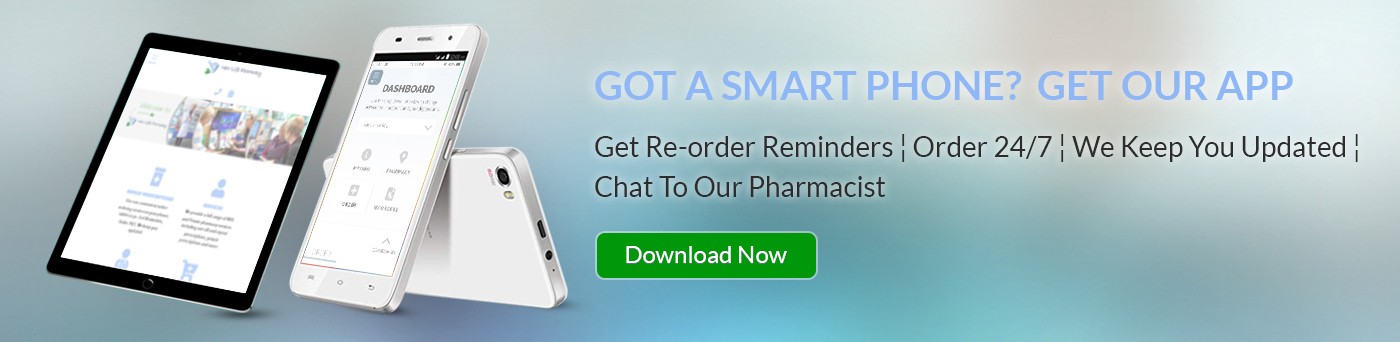
Use our convenient online ordering service on your phone, tablet or pc. Get Reminders, Order 24/7, We keep you updated.
Pharmacy Services
We provide a full range of NHS and Private pharmacy services including one off and repeat prescriptions, private prescriptions and more.
Online Shopping
Shop from over 8000 items at Supermaket Beating Prices. Whether you are travelling and need a mosquito net or need nicotine patches at a good price, we have you covered.
Download Our App
Order your prescriptions and we will keep you updated.
Planning a trip abroad?
Order your Lateral Flow Covid Test
NEW LIFE PHARMACY
We are an independent NHS Community Pharmacy serving the people of Glasgow.
About
New Life Pharmacy
Want to know about your health? We provide a health check including Blood Pressure, Diabetes and weight check, cholesterol and visceral fat. We also provide vitamin D testing.
To book phone 0141 633 3686 or e-mail admin@newlifepharmacy.co.uk
To book phone 0141 633 3686 or e-mail admin@newlifepharmacy.co.uk
Planning a trip abroad?
Fit to Fly Certificate and PCR tests by Courier. Enter your travel details below to see rules and regulations for testing and isolation...
Order Online
Order Online
On your Smartphone, Tablet or PC
Stores your items securely
Get reminders so you don't order your prescriptions too late
Order wherever you are 24/7
No need to get our engaged tone, we keep you updated
Chat to our Pharmacist
Get reminders so you don't order your prescriptions too late
Order wherever you are 24/7
No need to get our engaged tone, we keep you updated
Chat to our Pharmacist
Helping you to
Never Miss an Order
No more last minute panics! Set up prescription item re-order reminders so never get your items late again.
BLOGS
20/10/2021
Covid-19 Coping with Mental Health as we start to come out of lockdown
It has been fantastic to hear about the success of the GB Olympic Team, all the medals they have one in Tokyo over the last couple of weeks and hoping for similar success at the Paralympic Games too. It was very clear during ...
Read More
20/10/2021
Tips on How to lose lockdown weight
With the Paralympics on at the moment and the inspiration flowing, we all might be thinking about trying to get a bit fitter. Over the course of all the lockdowns perhaps some of us have put on an extra pound or two.
Read More
20/10/2021
Vaccinations will there be delays to the flu vaccinations this Autumn?
With the start of the new school term and the night's drawing in, it might be that time again for a note from our GP to say it is time for our annual flu vaccination.
So, this week on the RNIB Connect Radio we discussed what has been happening to the rollout of this...
Read More
20/10/2021
How to cope with Seasonal Affective Disorder (SAD)
With the night's drawing in and the evenings getting darker, some people find their mood changing frequently and are struggling with it.
We do hear the term SAD mentioned quite a lot too.
Read More
See All Blogs
CONTACT
665 Clarkston Road
Glasgow
Renfrewshire
G44 3SE
Glasgow
Renfrewshire
G44 3SE
Contact Us
0141 637 6000
INFORMATION
Premises GPhC Number:
1099285
OPENING HOURS
Cookie Policy
Privacy Policy
Terms And Conditions
Local Shopping Policy
Copyright 2024
Powered by www.thepharmacycentre.com